
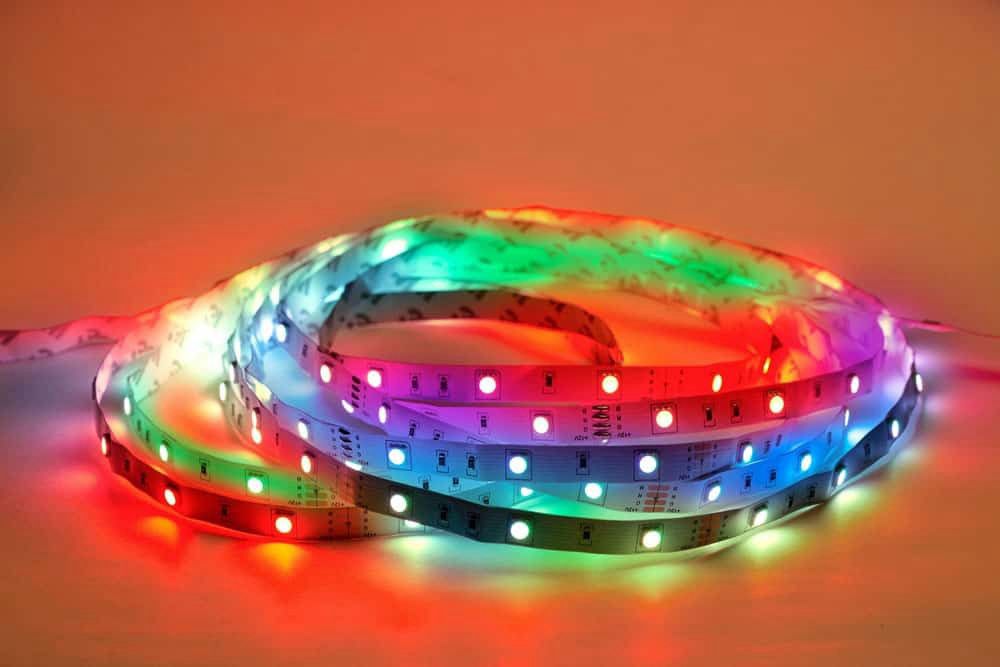
In today’s rapidly advancing world, lighting is no longer just about brightness — it’s about intelligence, efficiency, and design. At the heart of this transformation lies the LED Module manufacturer , combining technology, creativity, and sustainability to redefine how light enhances our spaces.
But what actually happens inside an LED module factory? How do these manufacturers turn a simple semiconductor into a powerful, energy-efficient light source used in everything from streetlights to smartphones? Let’s step inside the factory and uncover the fascinating process behind modern LED innovation.
1. The Blueprint of Innovation: Research and Design
Every LED module begins as an idea. Before production even starts, engineers and designers collaborate to create modules that meet precise requirements — from color temperature and brightness levels to energy efficiency and lifespan.
At this stage, advanced 3D modeling software and photometric simulation tools are used to predict performance, light spread, and heat behavior. The design must balance efficiency with aesthetics and durability, ensuring it can handle real-world conditions.
Fun Fact: The design phase can take up to 6 months for a single LED module series, especially when custom specifications are required.
2. The Science of Light: LED Chip Production
Once the design is finalized, the next step happens at the microscopic level — LED chip fabrication. Manufacturers grow crystals on a sapphire or silicon carbide substrate, a process known as epitaxy. These crystals form the foundation for the light-emitting diode.
Tiny chips are then cut, tested, and coated with phosphor to determine the final color temperature and luminous output. This stage demands precision engineering, as even the smallest flaw can affect brightness and consistency.
3. Assembling the Module: Precision Meets Automation
After the LED chips are ready, they’re assembled into modules using automated pick-and-place machines. Each chip is carefully positioned on a printed circuit board (PCB) — the backbone of the LED module.
High-speed robotics ensure accuracy down to a fraction of a millimeter. The boards are then soldered, tested, and encapsulated with protective materials to prevent moisture or dust from damaging the components.
This step often involves SMT (Surface Mount Technology), a technique used to mount LEDs and drivers directly onto circuit boards for compact and reliable assembly.
4. Thermal Management: Keeping Cool Under Pressure
LED modules generate heat during operation, and managing this is key to ensuring long life and stable performance.
Manufacturers integrate aluminum heat sinks, thermal pads, or ceramic substrates into their designs to dissipate heat efficiently. Some high-performance modules even feature graphene-based cooling materials, representing the latest innovation in thermal control.
Pro Tip: A well-designed LED module should operate under 85°C for optimal lifespan and performance.
5. Smart Integration: Adding Intelligence to Light
Modern LED module manufacturers aren’t just building light sources — they’re building smart ecosystems.
Through the integration of IoT sensors, Bluetooth, and AI-powered controllers, today’s modules can adjust brightness based on ambient light, detect motion, and even communicate with other devices.
Factories now include in-house software teams that design firmware for these smart modules, making them adaptable to smart homes, connected cities, and automated industries.
6. Quality Assurance: Testing Every Beam
Before leaving the factory, each LED module undergoes rigorous testing to ensure it meets global safety and efficiency standards.
Common tests include:
-
Luminous flux and color consistency testing
-
Thermal endurance under extreme temperatures
-
Waterproof and dustproof evaluations (IP rating tests)
-
Shock and vibration resistance
Only after passing these tests do LED modules earn certification such as CE, RoHS, or UL — essential for international distribution.
7. Packaging and Global Distribution
Once tested, modules are packaged using anti-static, eco-friendly materials to ensure safety during transit. Leading manufacturers distribute their products worldwide to clients in industries such as:
-
Architectural lighting
-
Automotive systems
-
Display and signage
-
Industrial automation
-
Consumer electronics
Efficient logistics systems ensure timely global delivery, maintaining the pace of innovation in lighting technology.
8. Sustainability at the Core
Modern LED module manufacturers are not just chasing performance — they’re committed to environmental responsibility.
Factories are investing in:
-
Solar-powered production plants
-
Recyclable packaging materials
-
Lead-free soldering techniques
-
Zero-waste water management systems
By combining green manufacturing with energy-efficient products, these factories play a vital role in creating a sustainable future for lighting.
9. Future Trends: What’s Next in LED Manufacturing
The LED industry is on the brink of even greater transformation. Some trends shaping the future include:
-
Mini and Micro LEDs for next-gen displays
-
Organic LEDs (OLEDs) for flexible surfaces
-
Quantum dot technology for vivid, precise color output
-
AI-driven production lines for higher accuracy and speed
These breakthroughs promise a world where lighting isn’t just functional — it’s intelligent, adaptable, and deeply integrated into our digital lives.
10. Conclusion: The Light Beyond the Factory Walls
A modern LED module manufacturer is far more than a production unit — it’s a powerhouse of innovation, sustainability, and smart technology. From the careful design of each chip to the global shipping of finished modules, every step reflects the passion and precision that define the future of lighting.
So, the next time you see a beautifully lit street, a glowing billboard, or an elegant modern lamp — remember, it all started inside the factory, where innovation truly comes to light.