
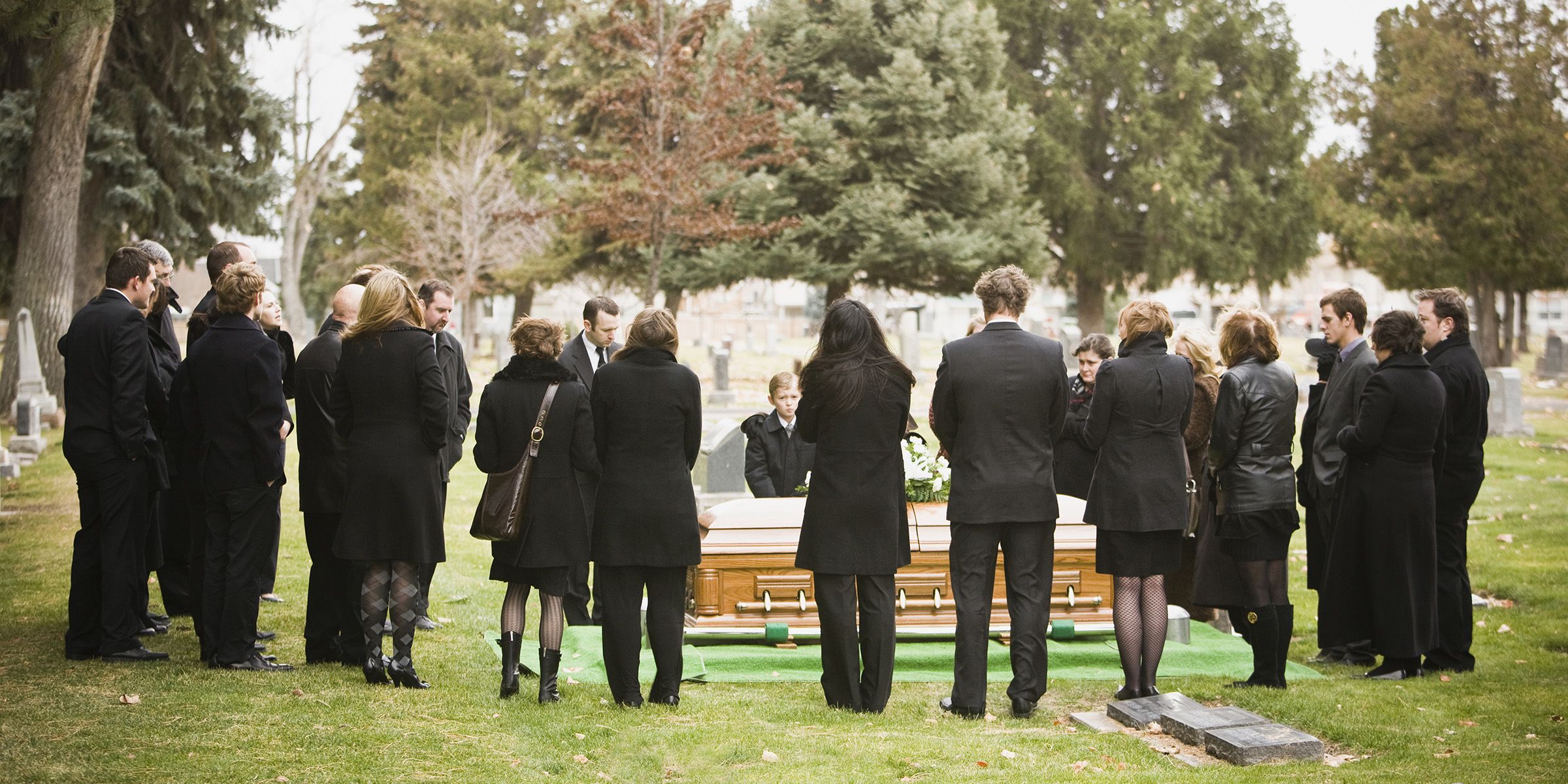
Funerals are a universal part of the human experience, a ritual that helps individuals and communities process one of life’s most profound and inevitable experiences: death. While the idea of funerals may seem somber, they serve as a vital practice in our emotional, spiritual, and social lives. Funerals are much more than ceremonies; they provide a moment to reflect, honor, and heal. They offer a structured way to navigate grief and bring people together during difficult times of loss. This article explores the multifaceted roles that funerals play in our lives, focusing on their emotional, cultural, and societal significance.
Understanding Funerals: More Than Just a Ceremony
A funeral is a ritual designed to mark the transition from life to death. While it is typically a formal event involving specific practices depending on the religion or culture, the core function remains the same: to honor the deceased and provide a space for the living to come to terms with their loss. 教會喪禮 s can be a source of emotional release, a place for shared reflection, and a vital part of the healing process.
-
The Role of Funerals in the Grieving Process: Grief is an intense, personal experience, but funerals offer a safe, structured environment for people to express their sorrow and sadness. The loss of a loved one can evoke a complex array of emotions, from shock to disbelief to deep sadness. Funerals create an environment in which these emotions can be expressed openly. Attendees can mourn together, share their sadness, and support each other through the collective experience of loss.
-
A Symbolic Closure: Funerals serve as a symbolic act of closure. For many, saying goodbye in a formal setting allows them to accept the reality of the loss. The rituals—whether it’s the viewing of the body, the eulogies, or the burial or cremation—help to mark the finality of death. This closure, however difficult, is an important step in the grieving process. It provides a distinct separation between the pain of loss and the need to eventually move forward in life.
-
A Pathway to Healing: The healing process after a loss is often long and challenging. Funerals can serve as the starting point for that healing journey. They allow individuals to confront their grief and begin to process their emotions. Although the pain of loss does not immediately disappear after the funeral, the ritual helps establish a foundation for future emotional recovery. The funeral can offer a sense of support, understanding, and even hope for those who are grieving.
Funerals as a Celebration of Life
While funerals are often associated with grief, they also serve as a time to celebrate and remember the life of the deceased. Funerals do not solely focus on the sorrow of death but provide an opportunity to reflect on the positive impact a person had on their family, friends, and community.
-
Honoring a Person’s Legacy: Funerals allow the living to honor the achievements, values, and relationships of the deceased. Whether through eulogies, stories, or shared memories, funerals provide a space where people can reflect on the person’s legacy. These moments of celebration help the mourners focus on the positive aspects of their loved one’s life, making the funeral more of a tribute to their spirit than a mere farewell.
-
Celebration of Life Ceremonies: In recent years, there has been a shift toward celebrating the life of the deceased rather than just mourning their passing. These "celebration of life" services focus on remembering the person’s contributions to the world, their personality, and their legacy. Families may choose to play the deceased's favorite music, create a slideshow of memories, or encourage attendees to share stories that celebrate their loved one’s unique qualities. These services are filled with both laughter and tears as mourners reflect on their shared experiences.
-
Personalized Memorials: Funerals today are often more personalized than ever before. Families have more control over how the service is conducted, choosing elements that reflect the deceased's personality, interests, and life. Whether it’s selecting a special location for the service, picking out specific music or readings, or even incorporating hobbies or passions of the deceased into the ceremony, personalization can make the event feel more intimate and meaningful. This personalization ensures the deceased’s identity is recognized and celebrated.
Cultural and Religious Diversity in Funerals
Funeral traditions vary greatly across cultures and religions, shaped by different beliefs about death, the afterlife, and the appropriate way to honor the deceased. Despite these differences, all funeral practices share the fundamental goal of helping individuals and communities process grief and celebrate life.
-
Christian Funerals: In Christian traditions, funerals often emphasize the hope of eternal life after death. Services usually include scripture readings, hymns, and prayers to comfort the grieving and reassure them of God’s promise of resurrection. The focus is not only on mourning but also on celebrating the deceased’s faith and their place in the afterlife. For Christians, funerals are a way to reaffirm the hope of reunion with loved ones in heaven.
-
Islamic Funerals: In Islam, funerals are a reflection of the belief in the afterlife and the journey of the soul. The body is typically washed, shrouded, and buried quickly, often within 24 hours of death. Muslim funeral services include prayers such as Salat al-Janazah, which seek forgiveness for the deceased and request that their soul be granted peace in the afterlife. The focus is on simplicity and humility, with an emphasis on the soul’s journey rather than elaborate mourning.
-
Hindu Funerals: Hindus view death as a transition in the cycle of life, death, and rebirth. The body is typically cremated, and funeral rites include prayers and rituals to guide the soul's journey to its next incarnation. Funerals are also an opportunity for families to reflect on the impermanence of life, and to offer prayers for the deceased's soul to reach peace. In Hinduism, the funeral marks the completion of the person’s earthly life and their transition to the next stage of their spiritual journey.
-
Jewish Funerals: Jewish funeral customs are centered on simplicity and respect. The deceased is typically buried as soon as possible, often within 24 hours, and mourners gather for prayers, such as the Kaddish, which honors the deceased and helps the community reflect on life and death. Jewish customs also involve a mourning period known as Shiva, during which the family receives support and comfort from friends and relatives. The community plays a critical role in supporting the grieving family during this time.
-
Cultural Variations: Beyond religious practices, many cultures have unique funeral traditions. In Mexican culture, the Day of the Dead (Día de los Muertos) is a celebration that blends mourning with remembrance, where families create altars to honor their loved ones, offering food, flowers, and candles. In many African cultures, funerals are significant community events, often marked by vibrant music, dancing, and storytelling. These cultural variations serve as expressions of community, spirituality, and respect for the deceased.
The Evolving Landscape of Funerals
Over time, funeral practices have adapted to reflect changing societal values, technological advancements, and environmental concerns. Today, people have more choices when it comes to how they want to honor their loved ones, from eco-friendly burial options to virtual memorials.
-
Eco-Friendly Funerals: With growing concern over environmental sustainability, many people are opting for green funerals, which focus on minimizing the environmental impact. This can involve natural burial methods using biodegradable caskets, or cremation with lower carbon emissions. Green funerals allow individuals to honor their loved ones while also considering the environmental consequences of traditional burial methods.
-
Virtual Funerals and Memorials: In the age of technology, virtual funerals and memorials have become increasingly popular. Live-streamed services allow people who are unable to attend in person to participate in the ceremony from anywhere in the world. Online memorial pages offer a place for family and friends to share memories, light virtual candles, and leave messages of condolence. These innovations have made funerals more accessible and inclusive, allowing mourners to participate in a meaningful way, even from a distance.
-
Pre-Arranged Funerals: Many people now choose to pre-arrange their funerals, allowing them to ensure their wishes are respected and to ease the burden on their families. Pre-planning a funeral provides peace of mind and allows individuals to make decisions about the service, burial, and other arrangements in advance.
Conclusion: Funerals as a Cornerstone of Grief, Memory, and Healing
Funerals are much more than a necessary part of the death process—they are a vital ritual that helps us process loss, reflect on life, and begin the journey toward healing. While grief is a deeply personal experience, funerals provide a space for shared mourning and support, allowing us to honor the deceased and begin to understand the significance of their passing. Whether through religious traditions, cultural practices, or personalized ceremonies, funerals help transform the pain of loss into a moment of reflection, remembrance, and healing. As we continue to evolve in how we approach death and mourning, the fundamental role of funerals as a communal and emotional experience remains unchanged. They serve as a cornerstone in the human experience, guiding us through the complex journey of grief and helping us find peace after loss.