

Author: Millermarker

The Power of the SIM Card: Unlocking Global ConnectivityThe Power of the SIM Card: Unlocking Global Connectivity

In the world of modern technology, few devices have transformed communication as significantly as the mobile phone. From basic voice calls to high-speed internet access and social media sharing, smartphones have become an essential part of daily life. But what powers these devices, enabling them to connect to the vast networks that keep us in touch with the world? The answer lies in a small, often overlooked component: the SIM card (Subscriber Identity Module).

Though tiny, this little chip has a big impact. It serves as the key to mobile communication, enabling secure access to cellular networks, storing your personal data, and even allowing you to switch phones with ease. In this article, we’ll explore the essential role SIM cards play in modern connectivity, their evolution over time, and what the future holds for these compact yet powerful chips.

What is a SIM Card?

A SIM card is a small, removable chip inserted into a mobile phone or device to provide access to a mobile network. It stores important data that helps your device connect to a specific mobile carrier’s network, including your phone number, account information, encryption keys, and security settings.

The SIM card essentially authenticates your device on the mobile network, allowing you to send and receive calls, texts, and data. Without it, a mobile phone would be unable to perform its primary function of connecting you to others, either through voice, text, or internet services.

The Role of the SIM Card in Mobile Communication

SIM cards serve as the bridge between your device and the mobile network. Here are the critical functions that SIM cards perform in facilitating communication:

  1. Identification and Authentication: The SIM card contains an IMSI (International Mobile Subscriber Identity), which is a unique identifier for each subscriber. When you power on your device, the SIM card sends this identifier to the network. The network then authenticates the device, ensuring that only authorized users can access its services.

  2. Connecting to the Network: Once the device is authenticated, the 本地儲值卡 card allows your mobile phone to connect to the carrier’s network, enabling voice calls, text messages, and mobile data services. Without the SIM card, your device would not be able to access the cellular network.

  3. Encryption and Security: The SIM card also plays a vital role in protecting your communications. It stores encryption keys that secure your phone calls, text messages, and internet data, preventing unauthorized access or interception. This encryption ensures that your communication remains private and secure.

  4. Roaming: SIM cards are essential for roaming, which allows you to use your mobile phone when traveling outside your home country. By inserting a local SIM card into your phone, you can access more affordable network services abroad without incurring high roaming charges from your home carrier.

The Evolution of SIM Cards: From Standard to eSIM

Since their introduction in the early 1990s, SIM cards have evolved significantly in both size and functionality. The early SIM cards were large, but as mobile devices shrank, so did the size of the SIM card. Today, we have several different SIM card types, each designed to accommodate the shrinking size of modern smartphones:

  1. Standard SIM: The original SIM card, measuring 25mm x 15mm, was used in the first GSM mobile phones. While still present in some older devices, it has largely been replaced by smaller versions in newer devices.

  2. Micro SIM: The micro SIM, measuring 15mm x 12mm, became popular with smartphones like the iPhone 4. This size was a step toward making devices more compact while maintaining the necessary functionality for mobile network access.

  3. Nano SIM: The nano SIM, introduced in 2012, is currently the most common type of SIM card, measuring just 12.3mm x 8.8mm. This tiny SIM is used in most modern smartphones, allowing manufacturers to save space and design slimmer devices without sacrificing performance.

  4. eSIM: The latest advancement in SIM card technology is the eSIM (embedded SIM). Unlike traditional SIM cards, eSIMs are embedded directly into the device’s hardware, eliminating the need for a physical card to be inserted. eSIMs allow users to activate mobile plans remotely and switch between carriers without needing to swap out SIM cards physically. This is especially convenient for travelers and those who want to easily manage multiple mobile plans.

The Advantages of SIM Cards

Despite their small size, SIM cards offer several key advantages that make them essential to modern mobile communication:

  1. Portability and Flexibility: One of the major benefits of SIM cards is that they can easily be swapped between devices. If you upgrade to a new phone, simply transfer your SIM card, and you can keep the same phone number, contacts, and account details. This level of flexibility makes it easy to switch phones and maintain continuity in communication.

  2. Global Connectivity: SIM cards make it easier for users to stay connected worldwide. With roaming capabilities, travelers can insert a local SIM card into their device to access cheaper rates for calls, texts, and data. This allows users to avoid expensive international roaming charges while ensuring they remain connected during their travels.

  3. Security: SIM cards enhance the security of mobile communication by storing encryption keys and requiring PIN codes to access the card. This means that even if your phone is lost or stolen, unauthorized individuals cannot access your information without the correct PIN, offering peace of mind for users concerned about privacy.

  4. Dual SIM Functionality: Many smartphones now feature dual SIM slots, allowing users to insert two SIM cards into the same device. This feature is especially useful for people who need to keep separate phone numbers for work and personal use or for frequent travelers who want to use a local SIM card while retaining their original number.

The Future of SIM Cards: The Rise of eSIM Technology

While traditional SIM cards have served us well for decades, eSIM technology is poised to become the standard for many mobile devices in the future. Here are a few reasons why eSIM technology is gaining popularity:

  • Remote Activation: eSIMs allow users to remotely activate and switch between mobile carriers and service plans, all without needing to physically swap out SIM cards. This makes managing mobile plans easier, especially for international travelers or people who need multiple mobile profiles.

  • Space Efficiency: eSIMs are embedded directly into the device, freeing up valuable space that could be used for other features. This helps manufacturers design smaller, slimmer devices, which is particularly important for wearables like smartwatches.

  • Multiple Profiles: With eSIM technology, a single device can store multiple carrier profiles, making it possible for users to switch between different carriers or mobile plans without needing to change SIM cards. This feature is ideal for people who travel internationally or those who want to manage multiple phone numbers or data plans.

While eSIM adoption is still in its early stages, many modern smartphones, wearables, and tablets are already supporting eSIM functionality. As 5G networks continue to expand and IoT devices become more commonplace, eSIM technology will likely become a key enabler of the connected world.

Conclusion

The SIM card may be small, but its role in the world of mobile communication is anything but insignificant. This tiny chip enables us to stay connected, communicate securely, and access a range of services from voice calls to high-speed internet. Whether in its traditional form or through the advent of eSIM technology, the SIM card continues to be the essential link between mobile devices and the networks that power them.

Toys: A Gateway to Learning, Fun, and Future SuccessToys: A Gateway to Learning, Fun, and Future Success

Toys have long been synonymous with childhood fun and entertainment, but their impact stretches far beyond just playtime. They are essential instruments in the developmental journey of every child, helping to foster cognitive, emotional, and social skills that last a lifetime. Whether they’re building intricate structures from blocks, engaging in imaginative role-play, or experimenting with new technologies, toys serve as a catalyst for creativity, growth, and learning. In today’s world, toys continue to evolve, adapting to new educational needs, advancing technologies, and changing societal values, but their core role remains rooted in one essential truth: play is integral to development.

The Science of Play: How Toys Shape Development

Play is not just fun; it is essential to the cognitive, emotional, and social development of children. When children play, they actively engage with their environment and learn how to interact with the world. Studies in developmental psychology emphasize that play allows children to develop problem-solving skills, creativity, language abilities, and social-emotional intelligence.

Toys play an integral role in this process. For example, puzzles, games, and building toys help develop critical thinking, spatial awareness, and hand-eye coordination. As children manipulate toys, they learn to plan, strategize, and problem-solve. A simple game of stacking blocks can teach a child about balance and spatial relationships, while building elaborate structures encourages creativity, planning, and perseverance.

As children engage with toys, they also begin to develop early STEM (Science, Technology, Engineering, Mathematics) skills. Toys like science kits, robotics sets, and building blocks lay the groundwork for understanding complex concepts, from physics and engineering to problem-solving and critical thinking. In an increasingly technology-driven world, such toys provide a head start, fostering skills that are essential in today’s fast-paced, digital age.

Play and Emotional Development: Navigating Feelings through Toys

Emotional intelligence is another area where toys have a profound impact. When children play, they often create imaginary worlds or scenarios that reflect real-life experiences and emotions. Through role-playing with dolls, action figures, or stuffed animals, children can act out scenarios that help them understand their own feelings and the feelings of others.

For instance, children often engage in role-playing games where they pretend to be parents, doctors, or teachers, learning about empathy and caregiving. These experiences help them navigate their emotions and learn how to manage interpersonal relationships. When a child plays with dolls and imagines them feeling sad or happy, they develop empathy by considering the emotional states of others, learning how to respond with care and understanding.

Toys also provide a space for children to work through their fears and anxieties in a safe, controlled environment. Playing with stuffed animals, for example, allows children to practice comforting others and being comforted themselves, helping them develop emotional resilience. This form of emotional practice is critical, as it helps children regulate their emotions, cope with stress, and express themselves in healthy ways.

The Importance of Social Play: Learning Cooperation and Teamwork

In addition to fostering emotional intelligence, toys also play a key role in social development. Social play is an important aspect of childhood, as it teaches children how to interact with others, share, collaborate, and resolve conflicts. Toys that encourage group play—such as board games, sports equipment, or cooperative building toys—help children learn valuable social skills in an enjoyable setting.

Board games, for example, provide children with an opportunity to practice taking turns, following rules, and negotiating with others. These games also teach children how to handle winning and losing with grace, an important skill that promotes emotional growth and resilience. Additionally, team-based activities, like playing with sports toys or group-building games, foster communication, collaboration, and problem-solving skills, which are key components of teamwork.

Social toys, like dolls, action figures, or playsets, also allow children to engage in pretend play that simulates real-world interactions. Whether they are imagining a family, a group of friends, or a workplace scenario, children learn the basics of cooperation, group dynamics, and social hierarchies. These experiences set the foundation for how children will interact with others in their communities, schools, and workplaces as they grow.

The Intersection of Technology and Traditional Play

In today’s world, the line between traditional toys and technology is becoming increasingly blurred. Technology has revolutionized the way children play, offering a range of interactive, digital, and educational toys. From robots that can be programmed to educational apps that teach math or reading, technology-based toys have opened up new avenues for learning and engagement.

STEM-focused toys, such as programmable robots and coding kits, introduce children to concepts that were once reserved for older learners. These toys not only engage children in hands-on learning but also help develop important skills such as logical thinking, problem-solving, and attention to detail. Tools like LEGO Mindstorms or Kano kits teach coding and engineering in a fun, interactive way, providing children with the foundation to build their own tech innovations in the future.

Despite the rise of digital toys, traditional 玩具網購 continue to thrive and remain indispensable. Wooden blocks, dolls, and pretend-play toys still offer invaluable opportunities for creativity, imagination, and social interaction that digital toys cannot fully replicate. The key to fostering well-rounded development in children is balancing both types of play: digital and physical. The ideal toys of today combine these elements, encouraging children to learn and grow in multiple ways.

Sustainable and Conscious Toy Choices: A Shift Toward Responsibility

As environmental awareness increases, parents are becoming more conscious of the ecological impact of the toys they purchase. The toy industry is responding to this concern with a growing focus on sustainability. Many companies are now producing eco-friendly toys made from recycled or biodegradable materials, while others are taking steps to reduce plastic waste and carbon footprints in their manufacturing processes.

Sustainable toys not only have a lower environmental impact but also teach children important lessons about caring for the planet. Toys made from natural materials like wood or organic cotton can spark conversations about sustainability, recycling, and environmental responsibility. Additionally, many eco-friendly toys are designed to be durable and long-lasting, reducing the need for frequent replacements and minimizing waste.

Parents are also increasingly seeking toys that are ethically produced, ensuring that workers involved in their creation are treated fairly and paid justly. By supporting brands that prioritize ethical labor practices, parents help instill values of fairness and justice in their children, encouraging them to make responsible choices as consumers.

Conclusion: The Lasting Power of Play

Toys are far more than simple objects of amusement—they are the tools that shape the minds, hearts, and futures of children. Through play, children explore their world, develop essential skills, and engage in meaningful social interactions. From cognitive development and emotional regulation to creativity and teamwork, toys play a vital role in preparing children for the challenges and opportunities of tomorrow.

As the toy industry continues to innovate and embrace technology, there is an exciting future ahead. However, the essence of toys will always remain rooted in their ability to promote play as a central part of a child’s development. Whether it’s a traditional wooden toy or the latest high-tech gadget, toys will continue to unlock the potential of children, one imaginative play session at a time.

Online Slot Features That Make Games More StimulatingOnline Slot Features That Make Games More Stimulating

If you ve ever been drawn to the flashing lights and cheerful jingles of a casino slot simple machine, you ll sympathise why the online slot has exploded in popularity. It takes the same simpleton, addictive fun of spinning reels and puts it right in your bag.

What Exactly Is an Online Slot?

An online slot is the digital full cousin of the slot simple machine. Instead of a physical prize, you click or tap a release, and software system power-driven by a Random Number Generator(RNG) determines your outcome. It s moment, fair, and completely irregular just like its gambling casino-floor similitude.

The Magic Elements

Reels Paylines The playground where symbols ordinate for wins.

Wild Symbols Shape-shifters that can supercede other symbols.

Scatter Symbols Your halcyon fine to bonus rounds.

Free Spins Multipliers Extra chances and bigger payouts.

Why People Love Playing Online Slots

There s a reason online slots predominate most gambling casino websites:

Easy to Play No complicated rules to learn.

Unlimited Themes From ancient mythology to sci-fi adventures.

Big Prize Potential Especially with imperfect tense jackpots.

Play Anywhere On your telephone, lozenge, or laptop.

Types of Online Slots You ll Find

Classic Slots Simple and unhappy with three reels.

Video Slots Packed with animation, storylines, and interactive features.

Jackpot Slots Progressive or fixed, offering huge potency wins.

Megaways Slots Thousands of possible victorious combinations per spin.

Tips for Getting the Most Out of Online Slots

Even though slots are all about , a few habits can make your undergo better:

Pick Solcasino with a high RTP(above 95 is of import).

Use demo mode to learn the game before indulgent real money.

Take advantage of gambling casino promotions like free spins.

Set a budget and stick to it.

Mobile Slots: Gaming on the Go

Today, nearly every online slot is mobile-friendly. That substance the same graphics, bonuses, and jackpots are available whether you re at home, in a caf, or wait for your next merging.

Responsible Play Comes First

Slots are fun, but they should never feel like a task or a germ of stress. Always set limits, take breaks, and remember that it s entertainment not a warranted income.

Final Spin

The online slot blends the exhilaration of gambling casino play with the major power of Bodoni applied science. With infinite themes, bonus features, and jackpots wait to be hit, there s always a new game to try. Just spin hurt, have fun, and enjoy the ride.

Fog Machinery: Powering Innovation Across Quadruple IndustriesFog Machinery: Powering Innovation Across Quadruple Industries


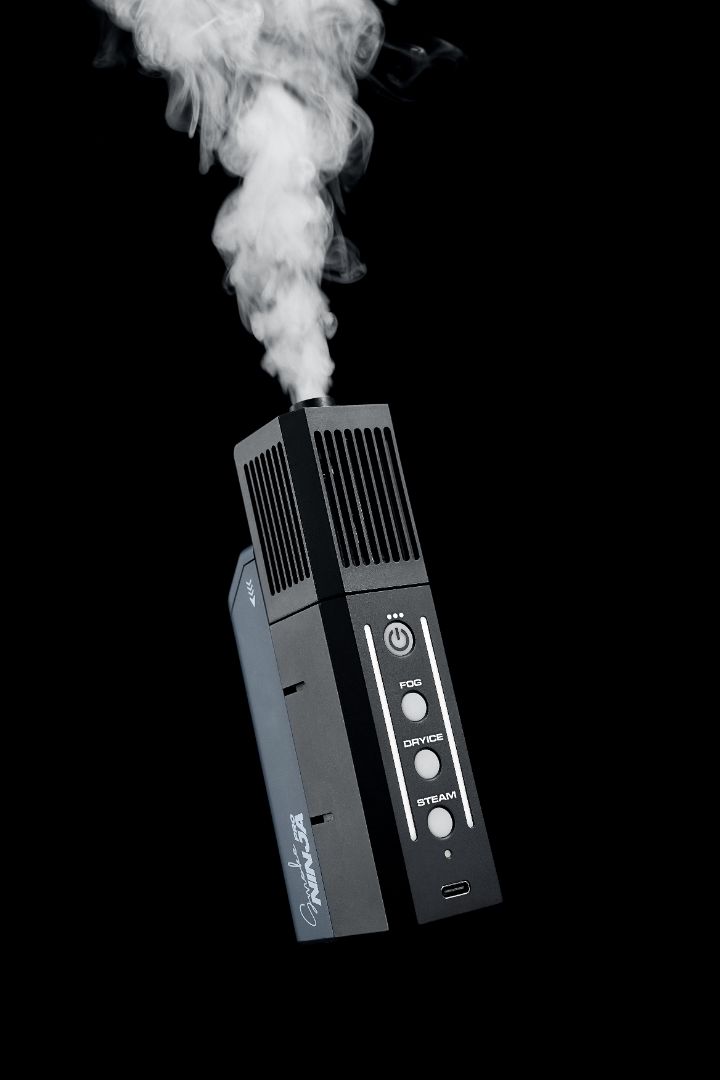
Fog machinery has improved into an indispensable engineering for industries worldwide. Originally premeditated to create histrionics personal effects, fog machines are now used in husbandry, health care, twist, and environmental direction. By generating restricted fog or mist, these machines ply operational solutions for cooling system, , dust control, and atmospherical effects.

How mini smoke machine Machinery Functions

Fog machinery operates by breakage down liquid state either water, fog unstable, or antimicrobic into tiny droplets that form a panoptic mist. This can be achieved through:

Thermal Systems, which heat changeful until it vaporizes.

Ultrasonic Systems, which use voice waves to make mist.

High-Pressure Systems, which force water through precision nozzles at extreme point squeeze.

Each type serves particular purposes, from entertainment to boastfully-scale heavy-duty operations.

Types of Fog Machinery

Stage Fog Machines: Deliver striking effects for concerts, theaters, and events.

Agricultural Foggers: Maintain humidness, aid pest control, and optimize crop yields.

Disinfectant Foggers: Spread sanitizing solutions in offices, hospitals, and schools.

Industrial Fog Systems: Reduce dust, odors, and heat in manufacturing and construction.

Portable Foggers: Lightweight, mobile units nonesuch for small applications.

Industry Applications

Entertainment Creates atmosphere in theaters, films, and live shows.

Agriculture Helps farmers exert a horse barn microclimate and conserve irrigate.

Healthcare Supports contagion verify by dispersing disinfectants .

Industrial Use Improves work refuge by minimizing airborne dust.

Climate Control Provides outside cooling system in resorts, stadiums, and event venues.

Benefits of Fog Machinery

Eco-Friendly Cooling: Uses less vitality than orthodox air-conditioning.

Water Conservation: Delivers wet more effectively than traditional irrigation.

Health Safety: Reduces air contamination, dust, and harmful particles.

Versatility: Adaptable for both vauntingly-scale industries and modest events.

Cost Savings: Lowers expenses on vim and chemical substance use.

Choosing the Right Fog Machine

When selecting a fog simple machine, businesses should judge:

The resolve(entertainment, industrial, or cultivation).

The reporting area needful.

The changeful type requisite(water-based, chemical substance-based, or germicide).

Portability for ease of use.

Durability for long-term heavy-duty operations.

Maintenance Guidelines

Proper care ensures efficiency and strength. Cleaning nozzles, using recommended fluids, and inspecting electrical components on a regular basis can keep breakdowns. Storage in a dry, cool aim is also important to keep off damage.

The Future of Fog Machinery

Future innovations are leaning toward mechanization, energy efficiency, and eco-friendly designs. Integration with hurt technologies will allow fog machines to operate with greater preciseness, making them life-sustaining for sustainable land, sophisticated healthcare, and mood direction.

Conclusion

Fog machinery has become a various and property root across industries. Whether it s creating stimulating atmospheres, up agricultural productivity, ensuring public health, or dominant dust in heavy-duty environments, fog machines are proving to be a right engineering. As invention continues, their role in formation safer, greener, and more efficient industries will only expand.

Cleaning Services: Unlocking the Power of a Tidy SpaceCleaning Services: Unlocking the Power of a Tidy Space


In our bustling, often chaotic world, a clean and organized environment has become more than just a luxury—it’s a necessity. Whether it’s your home, office, or retail space, maintaining a clean atmosphere can significantly impact your mental well-being, productivity, and overall quality of life. This is where cleaning services come in, providing professional expertise to keep spaces looking pristine and inviting. But what are cleaning services, and why have they become so crucial in modern society?

Understanding Cleaning Services

Cleaning services are professional offerings designed to keep living and working spaces clean, organized, and hygienic. These services are provided by cleaning companies or independent contractors and can cater to a wide variety of environments, from homes and offices to industrial facilities. Cleaning services include everything from basic chores like dusting and mopping to more specialized tasks, such as deep cleaning, carpet care, or window washing.

As the demands of daily life grow, outsourcing cleaning tasks has become an increasingly popular solution. Many people no longer have the time or energy to dedicate to scrubbing floors and scrubbing surfaces. Instead, they turn to professional cleaners who can handle the heavy lifting, making life simpler and more enjoyable.

Types of Cleaning Services

  1. Residential Cleaning:

    Residential cleaning services are one of the most common types of cleaning solutions available. These services cater to homeowners and renters who need help with their daily cleaning chores. Whether it's a weekly cleaning, a bi-weekly touch-up, or a one-time deep clean, residential cleaning services handle tasks like vacuuming, dusting, cleaning kitchens and bathrooms, and mopping floors. For those preparing to move or deep clean after a renovation, specialized services like move-in/move-out cleaning are also available.

  2. Commercial Cleaning:

    Businesses, from small offices to large corporate spaces, also require regular cleaning to maintain professionalism and ensure hygiene. Commercial cleaning services offer more tailored solutions, such as daily cleaning schedules or after-hours maintenance, so as not to disrupt business operations. Services often include vacuuming, sanitizing desks, cleaning bathrooms, window washing, and trash removal. These services are particularly valuable in workplaces where cleanliness affects employee productivity and customer perceptions.

  3. Specialized Cleaning Services:

    There are also many cleaning services that focus on specific needs. For instance, carpet cleaning uses specialized equipment to remove stains, odors, and dirt that regular vacuuming cannot handle. Window cleaning services are ideal for high-rise buildings or homes with hard-to-reach windows. Upholstery cleaning targets furniture, removing dirt and allergens from sofas and chairs. Post-construction cleaning ensures that newly built or renovated spaces are spotless, clearing away dust, debris, and leftover materials from the building process.

  4. Eco-Friendly Cleaning:

    As awareness of environmental issues increases, many cleaning services now offer eco-friendly or green cleaning solutions. This type of cleaning avoids harmful chemicals, instead using non-toxic, biodegradable products that are safer for both the environment and the people using the space. Eco-friendly cleaning services cater to clients who want to reduce their carbon footprint and maintain a healthier, less toxic living or working environment.

  5. One-Time Cleaning Services:

    Some individuals or businesses may require a one-time cleaning, such as before or after an event, a major cleaning overhaul, or when preparing a property for sale. These services often focus on deep cleaning and attention to areas that are typically neglected, such as behind appliances, deep within carpets, or in overlooked corners.

Why Cleaning Services Are Important

  1. Enhance Health and Hygiene:

    The most obvious benefit of professional cleaning services is the improvement in hygiene. Regular cleaning helps eliminate germs, bacteria, and allergens that can contribute to illness, especially in high-traffic areas like kitchens and bathrooms. In workplaces, this can prevent the spread of illness and reduce sick days, leading to a healthier, more productive workforce.

  2. Time Savings:

    One of the primary reasons people turn to cleaning services is to free up their time. Whether you have a busy career, a family to care for, or simply want to spend your free time on other pursuits, outsourcing the cleaning allows you to enjoy your time without worrying about household chores. Rather than spending your weekends scrubbing floors, you can relax, work, or take part in activities that bring you joy.

  3. Improved Mental Well-Being:

    A cluttered or dirty space can create stress, anxiety, and mental fatigue. In contrast, a clean and organized environment promotes a sense of calm and order. Whether it’s a home, office, or public space, cleanliness fosters a positive mental attitude and can improve focus, creativity, and relaxation. Coming home to a well-maintained house or entering a tidy office can provide an immediate sense of relief and positivity.

  4. First Impressions Matter:

    A clean space makes a strong impression. For businesses, maintaining a clean office or storefront is essential for attracting clients and customers. A tidy, well-kept environment signals professionalism and reliability. Similarly, a clean home can make visitors feel welcome and provide a pleasant atmosphere for social gatherings.

  5. Boost Productivity and Efficiency:

    Clean spaces are known to improve productivity. In offices, employees are more likely to perform better in a tidy environment because it helps reduce distractions and promotes focus. In homes, having a clean and organized living space allows family members to navigate the house more efficiently and reduces time spent looking for misplaced items.

How to Choose the Right Cleaning Service

Selecting the right cleaning service can seem daunting, but knowing what to look for can help simplify the process:

  1. Assess Your Needs:

    Think about what type of cleaning services you need—regular maintenance or a one-time deep clean. Do you need specialized services, such as carpet or window cleaning? Understanding your needs will help narrow down the options.

  2. Reputation and Reviews:

    Research 辦公室清潔 companies and read reviews from past clients. Look for companies with a good reputation for providing high-quality, reliable services. Word-of-mouth recommendations from friends and colleagues are also valuable.

  3. Insurance and Credentials:

    Ensure that the cleaning company you choose is insured and licensed. This protects you in case of accidents or damage during the cleaning process. A reputable company should be happy to provide proof of insurance.

  4. Transparent Pricing:

    Be sure to get a clear and upfront quote for the services. Some companies charge hourly rates, while others may provide flat rates based on the size of the space or frequency of cleaning. Compare prices between different companies to find a service that fits your budget.

  5. Eco-Friendly Options:

    If you’re environmentally conscious, ask the cleaning service about their eco-friendly practices. Many cleaning companies now offer green cleaning options that prioritize the use of non-toxic, biodegradable cleaning products.

The Future of Cleaning Services

As the world becomes more focused on health, hygiene, and environmental sustainability, the cleaning industry is poised to grow. Advances in technology, such as cleaning robots or smart cleaning devices, are also revolutionizing the way we think about cleaning. The demand for eco-friendly cleaning services will continue to rise as more people and businesses prioritize sustainability.

Additionally, as people spend more time at home, the need for home cleaning services will likely increase. In the commercial sector, cleaning companies are also expanding their services to address post-pandemic hygiene concerns, ensuring that spaces are safe and sanitized for employees and customers.

Conclusion

Cleaning services have become an integral part of modern life, offering convenience, health benefits, and peace of mind. Whether you are managing a busy household or a large corporation, professional cleaners provide essential support in maintaining a clean, organized, and hygienic environment. By hiring a cleaning service, you are investing in your health, time, and well-being, while also contributing to a cleaner, more inviting world around you. As cleaning standards evolve, so too will the variety and scope of services offered, ensuring that every space—be it home or office—remains a place of comfort and productivity.