Category: Lifestyle & Fashion

{Reasons Throwaway Electronic Cigarettes Have Been Growing Acceptance Among Smokers{Reasons Throwaway Electronic Cigarettes Have Been Growing Acceptance Among Smokers


In recent years, disposable vaping cigarettes (also known as single-use electronic cigarettes or vapes) have rapidly increased acceptance, offering a more convenient and portable choice to traditional smoking. Such sleek, user-friendly devices have attracted many people who smoke who are looking for an substitute to regular smoking or who just want a more subtle and easy-to-use vaping alternative. In this write-up, we will explore what disposable electronic vapes mean, their advantages, how they work, and why they are a preferred option for smokers and vapers alike.

How Are Throwaway Electronic Devices?

Throwaway e-cigarettes devices are a kind of e-cigarette designed for disposal. Unlike rechargeable e-cigarettes or vape devices, single-use e-cigarettes are available filled with e-liquid and are ready to enjoy right out of the box. After the e-liquid is depleted or the battery expires, the whole device is discarded. These devices are usually lightweight, easy to carry, and easy to take, making them ideal for people who want a hassle-free and portable way to vape.

Disposable e-cigarettes generally feature three primary components: the mouthpiece, the e-liquid cartridge, and the battery. The e-liquid is a mixture made of nicotine, flavors, and a base solution such as VG or vegetable glycerin (VG). The battery heats the e-liquid, turning it into mist, which the user inhales through the mouthpiece.

The Way Do Disposable E-cigarette Cigarettes Work?

Throwaway vaping devices operate on a straightforward and easy-to-understand system:

Activation: Most throwaway e-cigarettes are draw-activated, meaning they activate upon inhalation when you inhale. No switches are required. When the user takes a puff, the battery activates a heating element, also known as a coil.

Heating the Solution: The coil heats the e-liquid stored in the device, which is usually a combination of nicotine, flavors, and a solution. This heating process turns the liquid into vapor, allowing the user to breathe in it.

Vapor Production: As the e-liquid heats up, it transforms into a vapor, which the user breathes through the mouthpiece. The vapor is resembling in appearance to smoke, but it is far milder and doesn’t contain the harmful toxins and toxins found in traditional cigarette smoke.

Disposal: Once the e-liquid gets used up or the battery expires, the device is discarded. Since these devices are meant for single-use, there’s no need for refills, which makes them especially convenient for those who want a low-maintenance vaping experience.

Benefits of Disposable Electronic Devices

Ease of use: One of the main selling points of disposable e-cigarettes is their convenience. There’s no need to worry about maintaining tanks, filling batteries, or maintaining the device. Just open the package, draw, and when you’re done, dispose of it. It’s the ultimate carefree vaping experience.

Easy to Carry: Disposable e-cigarettes are compact, making them easy to carry around in a purse. Whether you’re commuting or on the go, a single-use e-cigarette can be easily slipped into your pocket, ready for use whenever you need it.

Pre-charged: Unlike rechargeable e-cigarettes, disposable devices arrive with a pre-charged battery that is ready to use. You won’t need to worry about charging the device in advance or losing charge during use. When the battery ends, simply dispose of the device.

Discreet and Odor-Free: Single-use e-cigarettes produce less fragrance than traditional cigarettes, and the mist dissipates quickly. This makes them an excellent choice for those who want to vape without drawing attention without attracting focus or leaving behind lingering smells.

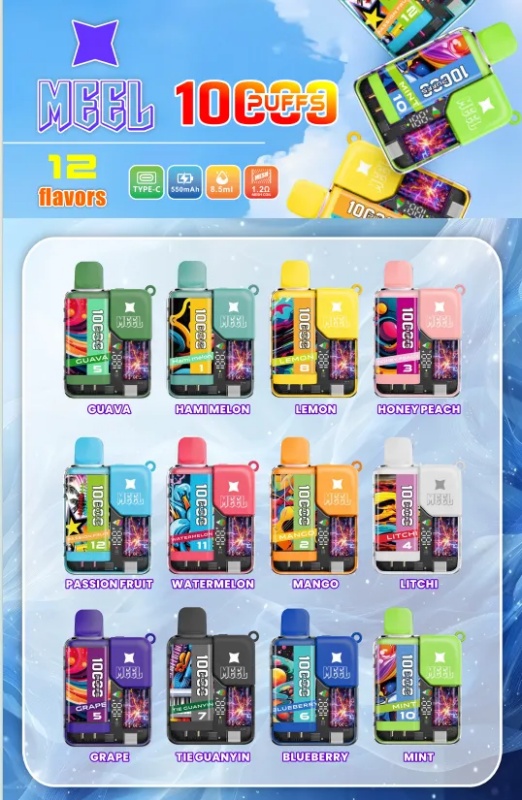
Selection of Flavors: Throwaway e-cigarettes offer in a selection of flavors, from traditional tobacco and menthol to more unique flavors like fruit, candy, and dessert. This selection makes vaping more enjoyable and personalized for users.

Ideal for New Users: For those new to 拋棄式電子煙 or looking to transition from smoking, throwaway e-cigarettes provide an easy and straightforward introduction to the world of vaping. There’s no need to spend in expensive devices or spend time learning how to operate them.

Do Disposable Vaping Devices Better Than Combustible Smokes?

One of the primary reasons people move to vaping is the desire to reduce their exposure to harmful substances found in traditional cigarettes. While no method of nicotine consumption is entirely risk-free, disposable e-cigarettes are generally considered to be a less harmful alternative to smoking combustible cigarettes.

Traditional cigarettes contain over 7,000 chemicals, many of which are toxic and harmful to the body. These include tar, which are produced when tobacco is smoked. In contrast, throwaway e-cigarettes do not produce smoke and instead create steam from an e-liquid that often contains fewer chemicals.
Shisha Geeignet Für Den Mobilen Einsatz Kaufen – Kleine Varianten Im VergleichShisha Geeignet Für Den Mobilen Einsatz Kaufen – Kleine Varianten Im Vergleich


Wer gerne eine handliche Hookah genießen, will auch auf Reisen nicht auf den Genuss missen shisha online shop. Aus diesem Grund stellen wir in diesem Guide verschiedene reisefreundliche Varianten im Vergleich.

Warum die passende Wasserpfeife zum Mitnehmen?

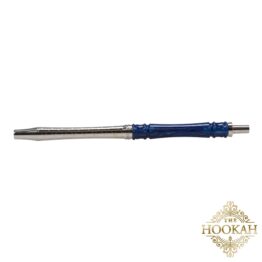
Reise-Wasserpfeifen punkten mit eine einfache Handhabung und Transportfreundlichkeit aus. Sei es beim Camping, im Freien oder auf dem Weg zum See – eine tragbare Wasserpfeife ist ideal, um flexibel das Rauchen zu teilen.

Worauf sollte man beim Erwerb achten?

Größe: Je kleiner, desto besser.

Qualität: Kunststoff sind langlebig.

Aufbau: Sollte einfach sein.

Zubehör: Transporttasche mit dabei?

Beliebte kompakte Wasserpfeifen im Überblick

Oduman Mini – Robust & leicht zu reinigen.

Dschinni Tiny – Modernes Design für den Park.

Oduman N2 – Funktionalität im Kleinformat.

Fazit

Wer gerne reist, sollte auf eine kleine Wasserpfeife nicht verzagen. Die heutigen Modelle sind durchdacht, einfach zu handhaben und gefallen mit Preis-Leistung.

The Future of Printing: Emerging Trends and TechnologiesThe Future of Printing: Emerging Trends and Technologies

The printing industry has continuously evolved, adapting to technological advancements and changing consumer demands. As digital transformation accelerates, the future of printing promises innovations that enhance efficiency, sustainability, and customization. This article explores key trends shaping the printing industry's future.

1. Digital Printing Dominance

Digital printing is expected to overtake traditional printing methods due to its speed, cost-effectiveness, and flexibility. Unlike offset printing, digital printing does not require plates, allowing for quicker turnaround times and personalized prints.

Advantages:

  • Ideal for short print runs

  • Enables on-demand printing

  • Reduces material waste

2. 3D Printing Revolution

3D printing, or additive manufacturing, is reshaping industries from healthcare to aerospace. By building objects layer by layer, this technology allows for rapid prototyping, customization, and reduced material usage.

Key Developments:

  • Bioprinting for medical applications

  • Sustainable 3D printing using recycled materials

  • Growth in industrial-scale additive manufacturing

3. Sustainable Printing Practices

Environmental concerns are pushing the industry toward greener solutions. Innovations in eco-friendly printing focus on reducing waste, energy consumption, and harmful chemicals.

Sustainable Trends:

  • Use of biodegradable and recycled paper

  • Vegetable-based inks replacing petroleum-based inks

  • Energy-efficient printing processes

4. Smart and Connected Printing

The integration of AI and IoT in printing devices is transforming workflow automation. Smart printers can self-diagnose issues, automate maintenance, and optimize ink usage.

Benefits:

  • Reduced downtime with predictive maintenance

  • Remote printing and cloud-based solutions

  • Enhanced security features for sensitive documents

5. Growth of Personalization and Customization

Consumers increasingly demand personalized prints, whether for marketing materials, packaging, or fashion. Variable data printing (VDP) allows brands to tailor content to individual customers, enhancing engagement and customer experience.

Applications:

  • Custom packaging with unique designs

  • Personalized direct mail marketing

  • One-of-a-kind apparel and accessories

6. Hybrid Printing Technologies

Combining traditional and digital 印刷 methods is gaining traction. Hybrid printing allows businesses to leverage the strengths of both techniques, improving efficiency and expanding creative possibilities.

Examples:

  • Offset printing with digital enhancements

  • Combination of screen and inkjet printing for textiles

  • Integration of UV printing for high-quality finishes

Conclusion

The future of printing is driven by technological advancements, sustainability efforts, and growing consumer expectations for customization. From 3D printing innovations to AI-driven automation, the industry is set for transformative changes that will redefine how we produce and consume printed materials.

Jersey Design: The Ultimate Guide to Creating Stunning and Functional JerseysJersey Design: The Ultimate Guide to Creating Stunning and Functional Jerseys

In the world of sports, esports, and casual fashion, a well-designed jersey is more than just a uniform. It represents team identity, branding, and personal style. Whether designing for a professional sports team, a corporate event, or personal use, understanding the key elements of jersey design ensures an outstanding final product.

Key Elements of a Perfect Jersey Design

1. Purpose and Functionality

Before creating a jersey, it is crucial to identify its primary purpose. Jerseys are designed for sports teams, esports players, corporate events, and casual wear. The fabric choice, fit, and design elements should align with the intended use.

  • Sports Jerseys: Need to be breathable, moisture-wicking, and durable.

  • Esports Jerseys: Should have a modern, sleek look while ensuring comfort during long gaming sessions.

  • Casual Jerseys: Can prioritize style over performance materials.

2. Choosing the Right Fabric

Fabric selection plays a vital role in comfort, performance, and durability. Common materials include:

  • Polyester: Lightweight, moisture-wicking, and breathable.

  • Mesh Fabric: Ensures ventilation and keeps players cool.

  • Cotton Blends: Suitable for casual and promotional jerseys.

  • Spandex Mix: Provides flexibility and enhances movement.

3. Color Selection and Psychology

Colors have a psychological impact and can influence team performance and fan perception. When choosing colors:

  • Bold colors (red, black, navy) represent power and aggression.

  • Light colors (white, yellow, sky blue) symbolize energy and positivity.

  • Team Colors: Should align with branding and historical identity.

  • Contrast & Visibility: Ensures numbers and logos stand out clearly.

4. Typography and Numbering

The font style and numbering system play an essential role in jersey aesthetics and readability.

  • Legibility: Choose a font that is clear from a distance.

  • Bold Fonts: Enhance the team’s identity.

  • Customization: Many teams opt for unique font styles to stand out.

  • Outline and Shadow Effects: Improve visibility under different lighting conditions.

5. Logo Placement and Branding

A well-placed logo enhances brand recognition and team identity. Standard placements include:

  • Center of the chest: Common for sports teams.

  • Upper left or right chest: Suitable for corporate jerseys.

  • Sleeves or back: Additional sponsor or player-specific branding.

  • Watermarks or sublimated logos: Subtle branding techniques for a modern look.

足球球衣 Techniques

1. Sublimation Printing vs. Screen Printing

  • Sublimation Printing:

    • Long-lasting and vibrant colors.

    • Doesn’t fade or crack.

    • Ideal for intricate and gradient designs.

  • Screen Printing:

    • Best for bold, single-color logos and text.

    • More cost-effective for bulk orders.

    • Durable but can crack over time.

2. Digital Jersey Mockups

Before printing, designers use mockups to visualize the final product. Popular tools include:

  • Adobe Photoshop & Illustrator: Industry standards for professional design.

  • Canva & CorelDRAW: Ideal for beginners and quick prototypes.

  • Online Jersey Design Tools: Many manufacturers provide online tools to customize jerseys.

3. Customization for Teams and Individuals

Offering personalized elements such as names, numbers, and unique patterns makes jerseys special. Customization options include:

  • Embroidered Patches: High-quality branding technique for professional teams.

  • Heat Transfer Vinyl: Great for one-off custom jerseys.

  • Sublimated Graphics: Long-lasting and high-quality for detailed designs.

Trends in Jersey Design for 2025

1. Minimalist Aesthetics

Sleek, simple designs with subtle gradients and monochrome palettes are gaining popularity. Minimalist designs enhance versatility and professional appeal.

2. Sustainable Materials

Eco-friendly jerseys made from recycled polyester and organic cotton are in demand as teams and organizations focus on sustainability.

3. Bold Graphics and Retro Styles

Nostalgic designs inspired by 1990s and early 2000s fashion are making a comeback, featuring oversized logos, neon colors, and asymmetrical patterns.

4. Integration of Smart Technology

Some jerseys now incorporate smart fabrics with features like moisture control, temperature regulation, and biometric tracking to enhance performance.

Best Practices for Ordering Custom Jerseys

1. Choosing the Right Supplier

Select a reputable manufacturer with experience in high-quality sportswear and apparel production. Factors to consider include:

  • Quality of fabric and printing techniques.

  • Customization options and flexibility.

  • Turnaround time and pricing.

  • Customer reviews and testimonials.

2. Ordering in Bulk vs. Individual Orders

  • Bulk Orders: More cost-effective, best for teams and organizations.

  • Single Orders: Ideal for custom and promotional jerseys, though pricing may be higher.

3. Ensuring Proper Sizing

Always check the manufacturer’s size chart and order samples if possible. Different brands may have slightly different sizing standards.

Conclusion

A well-designed jersey is a powerful statement of identity, branding, and performance. By carefully considering fabric, color, typography, printing methods, and customization, you can create a jersey that is both aesthetically pleasing and functional.

Whether for professional teams, esports, or casual wear, following these best practices ensures your jerseys stand out from the competition.

Comment Les Déodorants Naturels Révolutionnent Les Traitements: Une Exploration ProfondComment Les Déodorants Naturels Révolutionnent Les Traitements: Une Exploration Profond


De plus en plus de personnes cherchent à adopter des alternatives naturelles et écologiques pour leurs soins quotidiens, et le déodorant en fait partie. Le déodorant naturel, débarrassé des produits chimiques, est une solution plus saine pour lutter contre les mauvaises odeurs tout en respectant la peau. Ce produit est désormais un incontournable pour ceux qui souhaitent réduire leur exposition aux substances chimiques présentes dans les déodorants classiques, tels que les parabènes, les sels d’aluminium et les phtalates. L’impact environnemental est aussi un facteur déterminant dans ce choix.

Les déodorants traditionnels, bien que efficaces pour masquer les odeurs corporelles, contiennent souvent des ingrédients synthétiques qui peuvent être nocifs pour la santé à long terme. Par exemple, les sels d’aluminium, largement utilisés dans les antisudorifiques, ont été associés à des problèmes de santé comme l’irritation de la peau, l’augmentation de la transpiration ou encore un risque potentiel pour la santé. De plus, la composition de ces produits implique des substances non biodégradables et des emballages plastiques qui contribuent à la pollution de l’environnement. Ces préoccupations ont conduit à un regain d’intérêt pour des déodorants fabriqués à partir d’ingrédients d’origine naturelle, tels que le bicarbonate de soude, l’huile de coco, l’argile, le beurre de karité et des huiles essentielles.

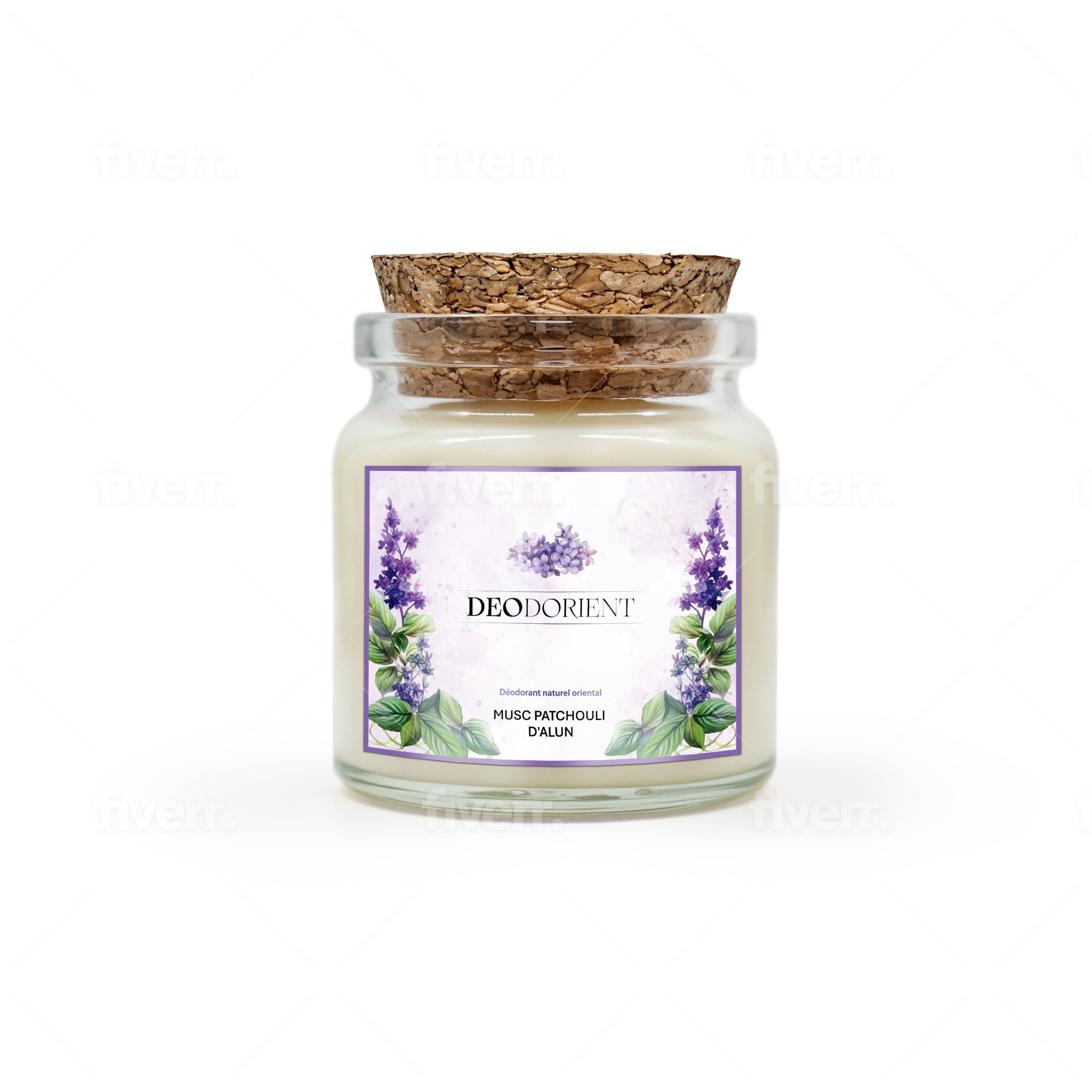
Les avantages du deodorant musc tahara naturel sont multiples. Non seulement il respecte la peau et réduit les risques d’allergies, mais il prend également soin de la santé globale de l’utilisateur. Le bicarbonate de soude, par exemple, est un excellent neutralisant d’odeurs, tandis que l’huile de coco possède des propriétés antibactériennes qui empêchent la prolifération des bactéries responsables des mauvaises odeurs. De plus, ces ingrédients naturels sont généralement moins susceptibles de provoquer des irritations, même sur les peaux les plus sensibles. En outre, le fait d’opter pour des déodorants sans aluminium ou autres substances chimiques aide à maintenir l’équilibre naturel de la peau, en évitant de bloquer les pores ou de perturber la transpiration, ce qui est essentiel pour la régulation thermique du corps.

L’impact écologique des déodorants naturels est également un facteur de plus en plus valorisé. De nombreuses marques favorisent des emballages en carton ou en métal, limitant ainsi l’utilisation du plastique. De plus, les ingrédients utilisés sont souvent issus de l’agriculture biologique, soutenant des pratiques agricoles respectueuses de l’environnement. L’absence de produits chimiques dans les formules évite la pollution des sols et des nappes phréatiques. Pour ceux qui souhaitent réduire leur empreinte écologique, choisir un déodorant naturel est un choix réfléchi et responsable.

Néanmoins, malgré ces nombreux avantages, il existe quelques inconvénients à prendre en compte. Par exemple, certains déodorants naturels peuvent être moins efficaces pour les personnes ayant des besoins plus importants en matière de régulation de la transpiration. De plus, le fait que ces produits ne contiennent pas de composés chimiques antitranspirants signifie qu’ils ne bloquent pas la transpiration, un mécanisme naturel de régulation thermique. En conséquence, les utilisateurs peuvent ressentir une sensation de transpiration plus marquée, bien que les odeurs soient maîtrisées.

En résumé, le déodorant naturel représente une alternative de plus en plus populaire, non seulement pour ses avantages en matière de santé, mais aussi pour son engagement envers la planète. Il offre aux consommateurs un moyen de prendre soin de leur peau tout en réduisant leur exposition aux substances chimiques et leur impact environnemental. À mesure que la conscience écologique et la recherche d’alternatives plus saines continuent de croître, il est probable que l’utilisation des déodorants naturels devienne encore plus courante dans les années à venir.